This post may contain affiliate links. Please read our Affiliate Disclosure for more information.
What is Bagnet?
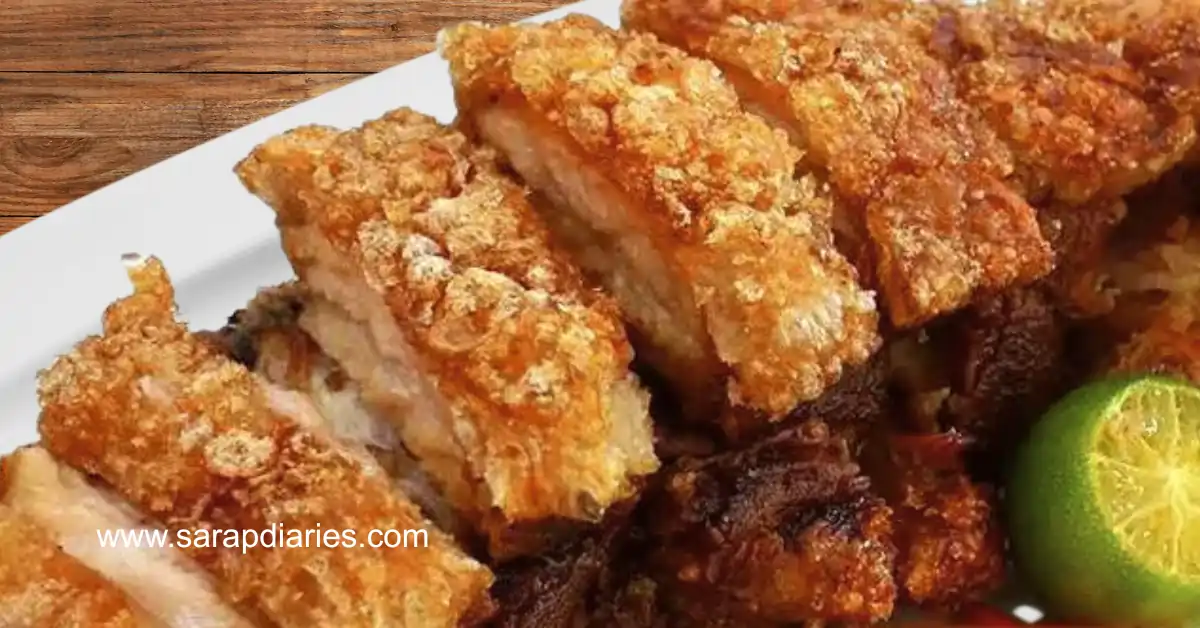
Bagnet is a famous Luzon recipe from the Ilocos region, known for its intensely crispy pork belly that’s boiled, dried, and deep-fried to perfection. Often compared to lechon kawali, stands out for its extra-crunchy skin and rustic preparation. This Ilocano classic is commonly served as a main ulam, chopped into bite-sized pieces, or mixed with vegetables for added texture and flavor. Loved for its simplicity and bold porkiness, Bagnet has become a staple not only in Ilocos but also across Filipino tables nationwide.
Why Masarap
Masarap ang Bagnet dahil sa satisfying contrast ng textures—sobrang lutong ng balat habang juicy at flavorful ang karne sa loob. The minimal seasoning allows the natural taste of pork to shine, while the cooking process creates that signature crackling skin that many Filipinos crave. Each bite delivers rich, savory goodness, especially when paired with suka. It’s the kind of dish na hindi kailangan ng maraming sahog—simple pero talagang masarap.
Best Eaten For
It is best eaten for lunch or dinner, lalo na kapag may mainit na kanin at sawsawang suka na may bawang, sibuyas, at sili.
Ingredients
- Pork belly slab
- Water
- Salt
- Bay leaves
- Whole peppercorns
- Cooking oil (for deep-frying)
How to Cook
- Place the pork belly in a pot and cover with water. Add salt, bay leaves, and peppercorns.
- Boil until the pork is tender but still holds its shape.
- Remove the pork from the pot and allow it to cool completely.
- Air-dry the pork or refrigerate it uncovered for several hours until the skin is very dry.
- Heat enough oil in a deep pan for frying.
- Carefully fry the pork until the skin turns golden brown and extremely crispy.
- Remove from oil, let it rest briefly, then chop into serving pieces.
Common Mistakes to Avoid
Even with simple ingredients, a few small mistakes can affect the final result. Avoid these common errors to achieve the best texture and flavor.
- Skipping the drying step
Frying pork that’s still moist prevents the skin from turning fully crispy. Always air-dry or chill uncovered until the surface is completely dry. - Using oil that’s not hot enough
Oil that isn’t properly heated can make the pork greasy instead of crunchy. Medium-high heat helps seal the skin quickly. - Overcrowding the pan
Frying too many pieces at once lowers the oil temperature and results in uneven cooking. Fry in batches for better results. - Cutting immediately after frying
Letting the pork rest allows the juices to settle and the skin to firm up. Cutting too soon can soften the crust. - Reheating in the microwave
Microwaving makes the skin chewy. An air fryer or oven is the best way to restore crispiness.
Avoiding these mistakes helps keep the pork juicy inside and perfectly crunchy outside—just the way it’s meant to be enjoyed.
Serving Suggestions
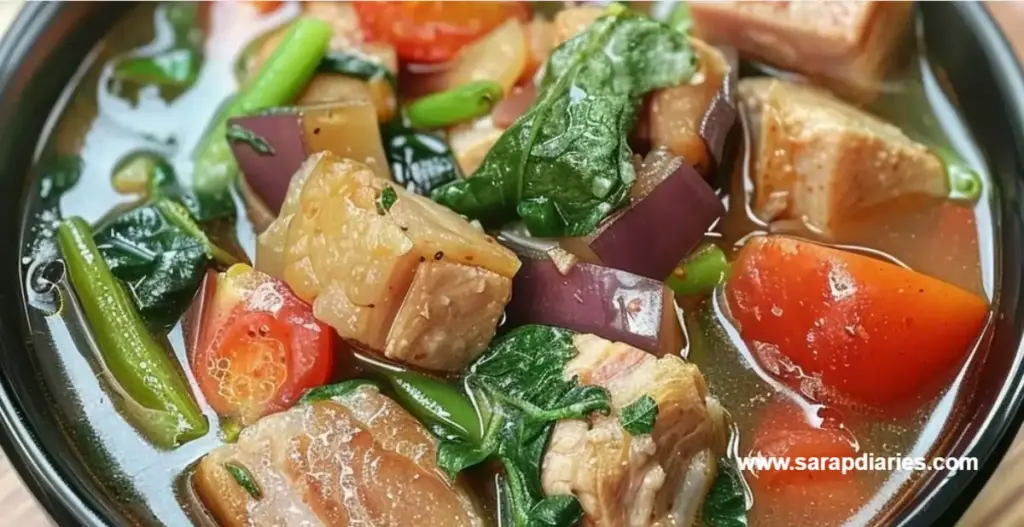
Bagnet is best enjoyed with plain steamed rice and a classic Ilocano suka dip. For a traditional pairing, it goes perfectly with Pinakbet—the bitterness of the vegetables balances the richness of the pork.
If you enjoy crispy pork dishes, Lechon Kawali is another favorite with a similar profile.
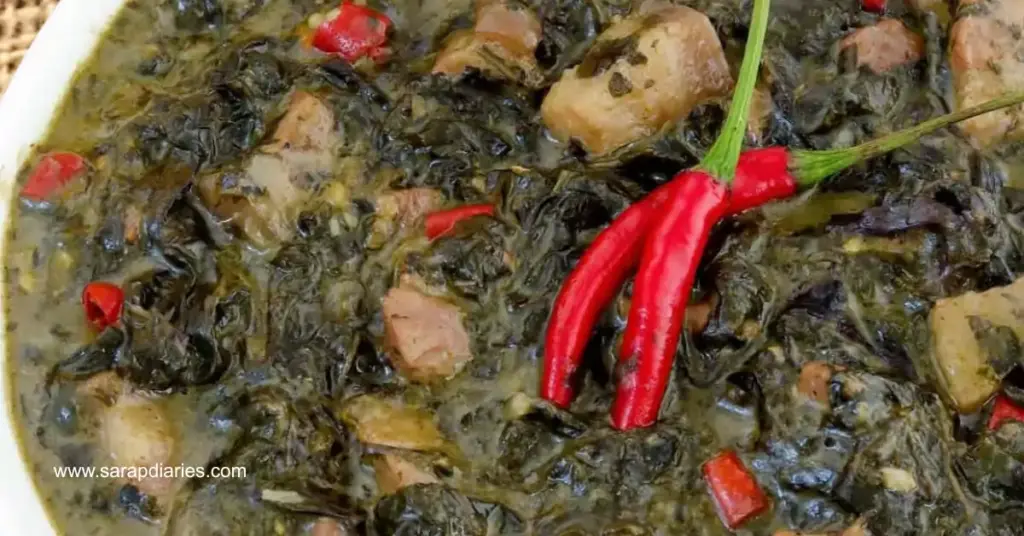
Leftover can also be chopped and added to dishes like Kare-Kare–style meals to give extra crunch and depth.
Ways to Use Leftover Bagnet
Leftover Bagnet is incredibly versatile and can be transformed into new, masarap dishes without extra effort. Its crispy texture adds instant flavor and crunch to many Filipino favorites.
- Bagnet with Pinakbet
Chopped Bagnet is a classic upgrade to Pinakbet, adding rich pork flavor that balances the bitterness of the vegetables. - Bagnet Kare-Kare Style
Instead of traditional meat, crispy Bagnet can be mixed into a peanut-based sauce inspired by kare-kare for added texture and indulgence. - Bagnet Rice Bowl
Serve chopped Bagnet over garlic rice, topped with a fried egg and atchara for a quick and satisfying meal. - Bagnet Sisig-Inspired Dish
Finely chop leftover Bagnet and sauté with onions and chili for a crunchy, Ilocano-style sisig alternative. - Bagnet with Ensaladang Gulay
Pair small pieces of Bagnet with fresh tomatoes, onions, and bagoong-based dressing for a lighter but flavorful ulam.
These ideas help stretch leftovers while keeping meals exciting, practical, and sulit—perfect for busy weekdays or next-day meals.
Storage Tips
- Let Bagnet cool completely before storing.
- Keep in an airtight container in the refrigerator.
- Best consumed within 1–2 days for maximum crispiness.
- Reheat in an air fryer or oven to bring back the crunch—avoid microwaving.
Frequently Asked Questions
Ano ang difference ng Bagnet at Lechon Kawali?
Bagnet is typically drier and crispier, while lechon kawali has juicier meat and slightly softer skin.
Pwede bang i-air fry?
Pwede, pero deep-frying still gives the crispiest result.
Anong sawsawan ang bagay?
Ilocano suka na may bawang, sibuyas, at sili ang classic choice.
Pwede bang i-freeze ang Bagnet?
Yes, but proper reheating is needed to restore crispiness.
Anong pork cut ang pinaka-best gamitin?
Pork belly is ideal because of its balance of meat and fat.
Want more stories beyond food?
More helpful reads:
- FeedFrenzyPlus.com offers curated news and informative articles.
- HeyPositivity.com provides motivational quotes and uplifting content.

Discover more easy and delicious recipes you’ll love. Kasama mo ang SarapDiaries.com for all things masarap.

Ava Manalo is a passionate home cook who loves exploring flavors, recreating comforting classics, and sharing easy-to-follow recipes that bring joy to every meal. As an author at Sarap Diaries, she focuses on Filipino dishes, merienda favorites, and simple cooking tips that make homemade food approachable and always delicious.
When she’s not developing recipes, Ava enjoys discovering new food spots, experimenting with global flavors, and turning everyday ingredients into heartwarming dishes for all kinds of occasions.