This post may contain affiliate links. Please read our Affiliate Disclosure for more information.
What is Kutsinta?
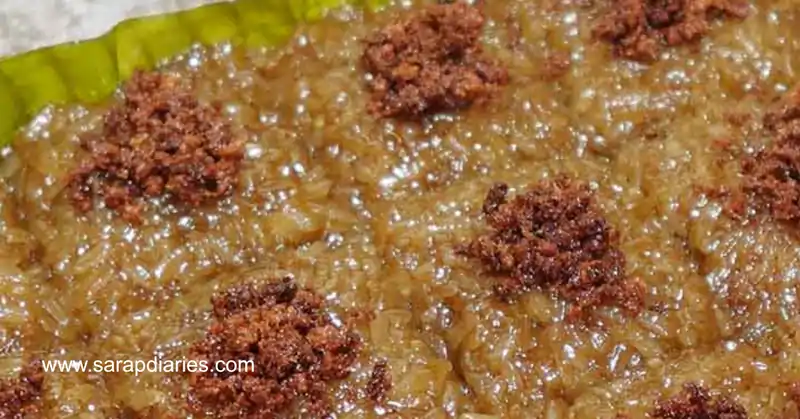
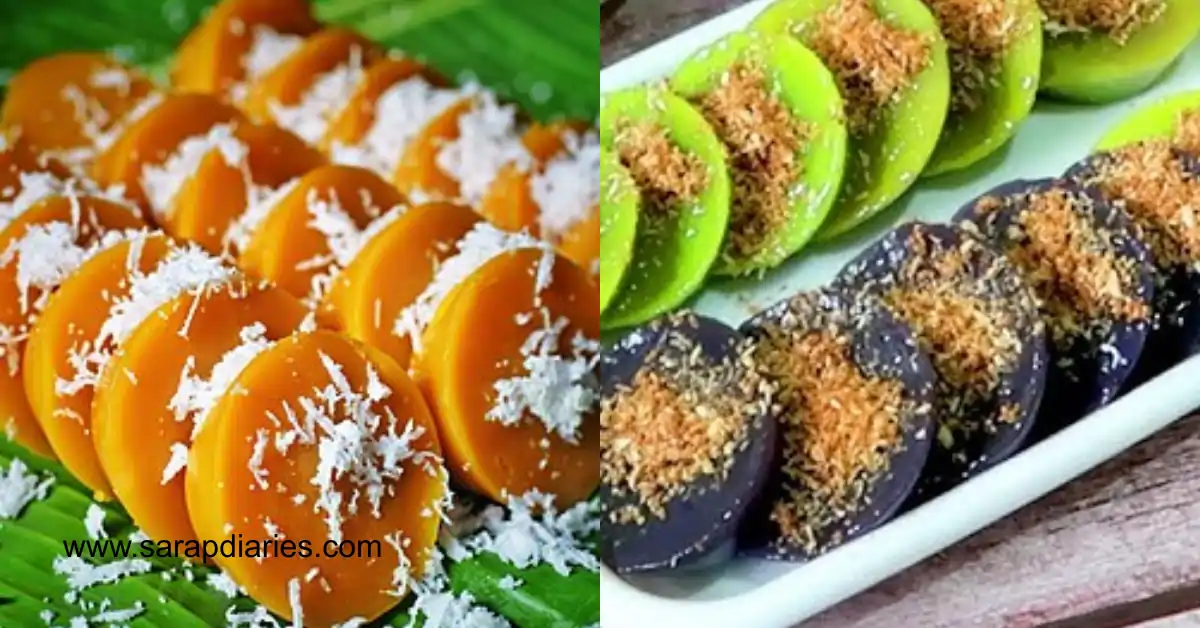
Kutsinta is a traditional Filipino steamed rice cake known for its chewy texture, shiny brown color, and mildly sweet flavor. Made from ground rice, brown sugar, and lye water, this classic kakanin is commonly sold in wet markets and enjoyed at home during merienda. Kutsinta is often served with freshly grated coconut, adding a creamy contrast that balances its subtle sweetness. Simple yet iconic, this rice cake is a staple in many Filipino households.
Why Masarap?
Masarap ang kutsinta dahil sa unique nitong texture—chewy, smooth, at slightly sticky without being heavy. The brown sugar gives it a deep, caramel-like sweetness, habang ang grated coconut adds freshness and richness. Each bite feels comforting and nostalgic, lalo na kapag bagong steam at may kasamang niyog. Hindi siya sobrang tamis, kaya madaling kainin kahit ilan.
Best Enjoyed For
Kutsinta is best enjoyed for merienda or as a light snack any time of the day. It’s especially satisfying when served fresh and slightly warm, paired with coffee or tsokolate.
Ingredients
(Makes about 30 pieces)
- 1½ cups rice
- 3½ cups water
- 2 tablespoons lye water (lihiya)
- 1½ cups brown sugar
- Plastic wrap
- Cooking oil (for brushing)
- Grated coconut (for serving)
How to Cook Kutsinta
Preparation
- Rinse the rice well, then soak it in water for at least 5 hours to soften the grains.
- Divide the soaked rice into two portions.
- Place the first portion in a blender and add enough soaking water to just cover the rice. Blend briefly—about 1½ minutes—until smooth.
- Repeat the blending process with the remaining rice.
- Transfer the blended rice mixture into a large bowl.
- Pour in the remaining water, then add the brown sugar and lye water. Stir until the mixture is smooth and the sugar has completely dissolved.
- Strain the batter through a cheesecloth or fine sieve into another bowl to remove any coarse bits.
- Lightly brush plastic wrap with oil and use it to line each well of a muffin pan, trimming excess wrap so it fits neatly.
- Pour around 2 tablespoons of the mixture into each lined muffin well.
Steaming
- Place the muffin pan in a steamer.
- Steam over medium heat for 45 minutes to 1 hour, or until the rice cakes are fully set and glossy.
- Allow the kutsinta to cool slightly before lifting each piece using the plastic wrap.
- Peel off and discard the plastic wrap before serving.
Serving Suggestions
Kutsinta is traditionally served topped with freshly grated coconut for added flavor and texture.
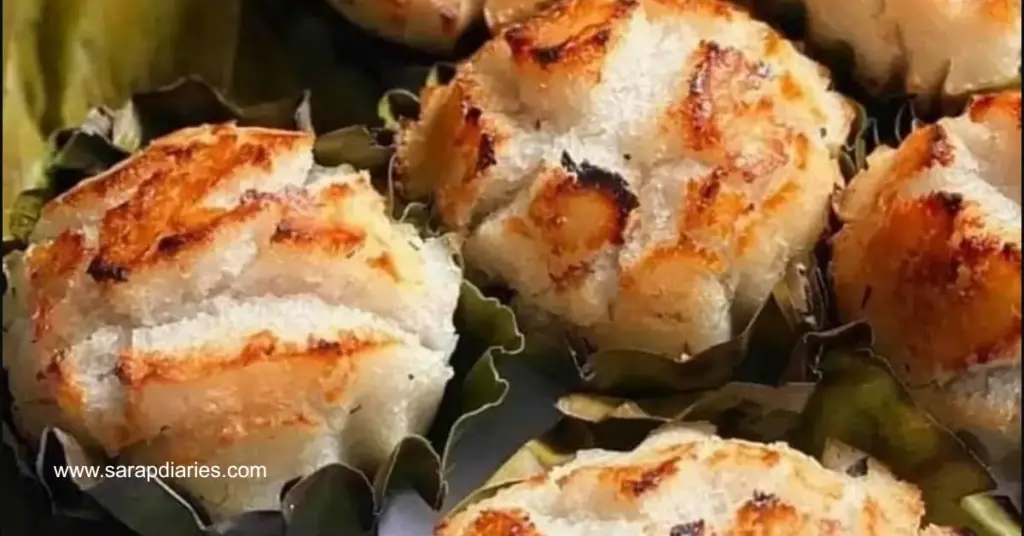
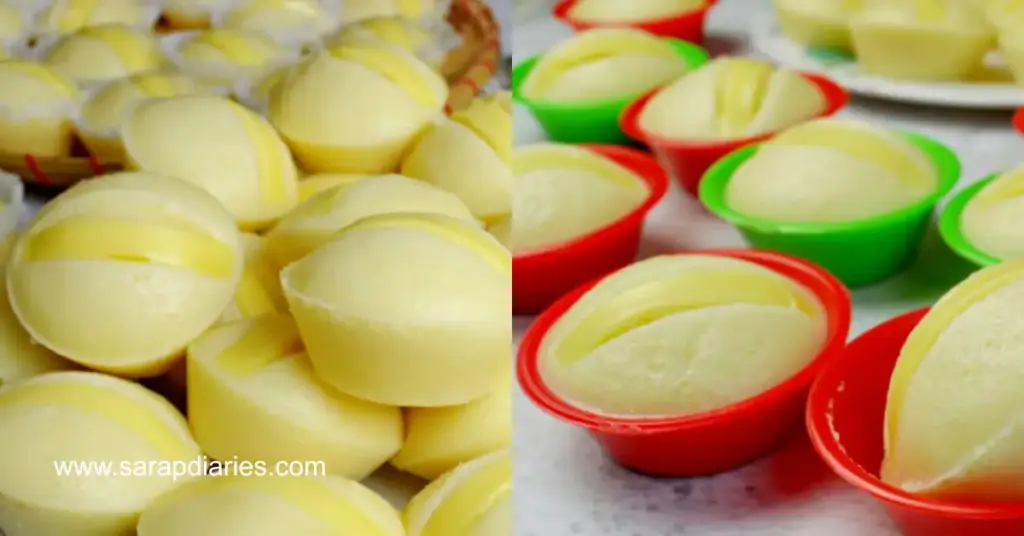
For a classic kakanin pairing, it goes well with Puto on the merienda table.
It also complements savory dishes like Dinuguan, where its mild sweetness balances rich flavors.
Storage Tips
- Store leftover kutsinta in an airtight container.
- Keep refrigerated if not consumed within the day.
- Bring to room temperature before serving for the best texture.
- Avoid freezing, as it may affect chewiness.
Frequently Asked Questions
Is puto gluten-free?
Yes, when made with rice flour, it’s naturally gluten-free.
Why does puto sometimes turn dense?
Overmixing the batter or using expired baking powder can affect texture.
Can I make puto without molds?
Yes, small heat-safe cups or silicone molds work well.
Can I freeze puto?
Freezing is not recommended, as it may affect texture after thawing.
Is puto better fresh?
Yes, it’s best enjoyed freshly steamed, but reheating helps bring back softness.
Want more stories beyond food?
More helpful reads:
- FeedFrenzyPlus.com offers curated news and informative articles.
- HeyPositivity.com provides motivational quotes and uplifting content.

Discover more easy and delicious recipes you’ll love. Kasama mo ang SarapDiaries.com for all things masarap.

Ava Manalo is a passionate home cook who loves exploring flavors, recreating comforting classics, and sharing easy-to-follow recipes that bring joy to every meal. As an author at Sarap Diaries, she focuses on Filipino dishes, merienda favorites, and simple cooking tips that make homemade food approachable and always delicious.
When she’s not developing recipes, Ava enjoys discovering new food spots, experimenting with global flavors, and turning everyday ingredients into heartwarming dishes for all kinds of occasions.