This post may contain affiliate links. Please read our Affiliate Disclosure for more information.
What is Binagol?
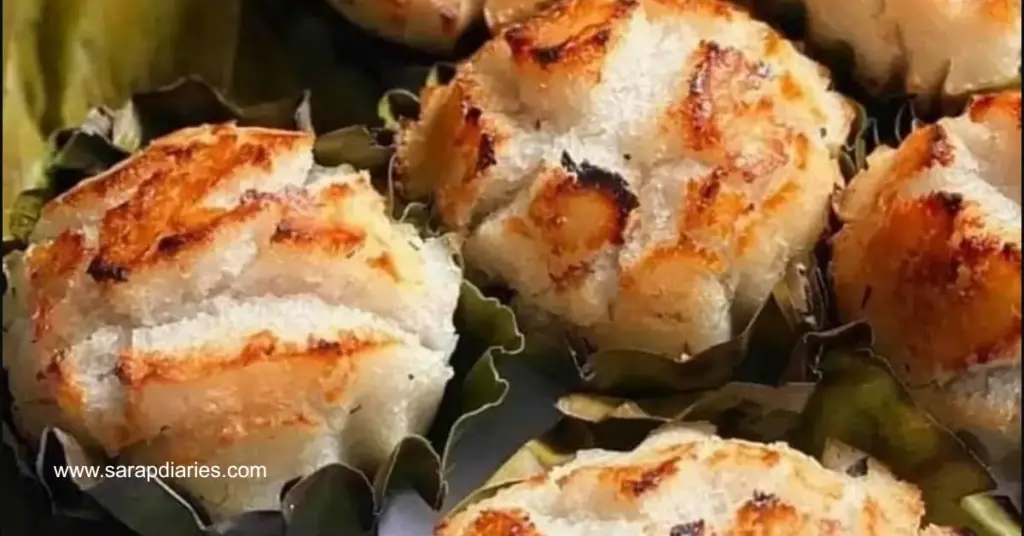
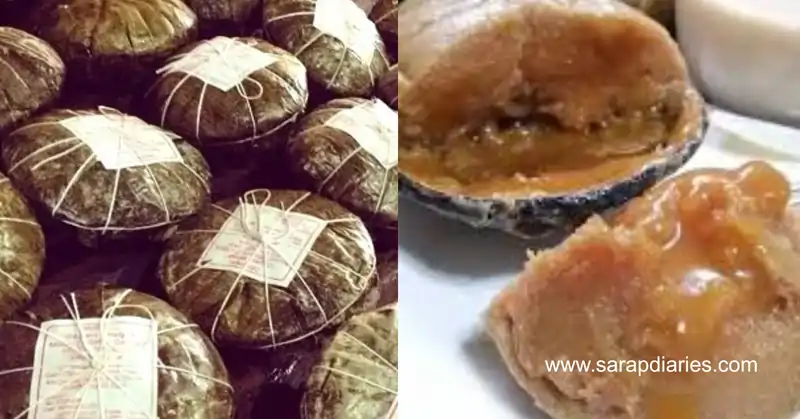
Binagol is a traditional Filipino kakanin from Eastern Visayas, particularly Leyte, made from mashed taro (gabi), coconut milk, sugar, and egg yolks. What makes Binagol unique is how it’s cooked and served—steamed inside halved coconut shells, giving it a rich aroma and rustic presentation. This delicacy is known for its smooth, pudding-like texture and deep coconut flavor, often enjoyed as a special treat rather than an everyday snack.
Why Masarap?
Masarap ang Binagol dahil creamy, dense, at may natural nuttiness from gabi. The combination of coconut milk and sugar gives it a mellow sweetness, while egg yolks add richness and silkiness. Steaming it inside coconut shells enhances the aroma, making every spoonful feel indulgent and comforting. It’s one of those kakanin na simple pero may lalim ang lasa—perfect for those who appreciate traditional Filipino desserts.
Best Enjoyed For
Binagol is best enjoyed for merienda, dessert, or as a special pasalubong, lalo na kapag bahagyang mainit-init pa at bagong luto.
Ingredients
- Gabi (taro), boiled and mashed
- Coconut milk
- Sugar
- Egg yolks
- Vanilla extract
- Coconut shells or heat-safe molds (for steaming)
How to Cook
- Boil the gabi until tender, then mash until smooth and free of lumps.
- In a pan, combine mashed gabi, coconut milk, and sugar. Cook over low heat while stirring continuously.
- Add vanilla extract and continue stirring until the mixture thickens.
- Remove from heat and let cool slightly before mixing in the egg yolks.
- Transfer the mixture into coconut shells or prepared molds.
- Arrange in a steamer and steam until fully set and firm.
- Allow to cool slightly before serving.
Serving Suggestions
Binagol is best enjoyed on its own, scooped straight from the coconut shell.
For a traditional Filipino kakanin spread, it pairs well with sticky rice desserts like Biko and colorful layered treats such as Sapin-Sapin.
It also complements chewy cassava-based sweets like Pichi-Pichi, offering a nice balance of textures on the dessert table.
Storage Tips
- Store leftover Binagol in an airtight container.
- Keep refrigerated and consume within 2–3 days.
- Reheat gently by steaming before serving.
- Avoid freezing, as it may affect the creamy texture.
Frequently Asked Questions
Can I use ube instead of gabi?
Traditional Binagol uses gabi, but ube can be used for a different flavor and color.
Why is my Binagol grainy?
Undermashed gabi or uneven cooking can cause a grainy texture.
Pwede bang bawasan ang tamis?
Yes, sugar can be adjusted based on preference.
Is Binagol gluten-free?
Is Binagol gluten-free?
Yes, it’s naturally gluten-free.
Yes, flavors tend to deepen after resting overnight.
Want more stories beyond food?
More helpful reads:
- FeedFrenzyPlus.com offers curated news and informative articles.
- HeyPositivity.com provides motivational quotes and uplifting content.

Discover more easy and delicious recipes you’ll love. Kasama mo ang SarapDiaries.com for all things masarap.

Ava Manalo is a passionate home cook who loves exploring flavors, recreating comforting classics, and sharing easy-to-follow recipes that bring joy to every meal. As an author at Sarap Diaries, she focuses on Filipino dishes, merienda favorites, and simple cooking tips that make homemade food approachable and always delicious.
When she’s not developing recipes, Ava enjoys discovering new food spots, experimenting with global flavors, and turning everyday ingredients into heartwarming dishes for all kinds of occasions.