This post may contain affiliate links. Please read our Affiliate Disclosure for more information.
What is Suman sa Lihiya?
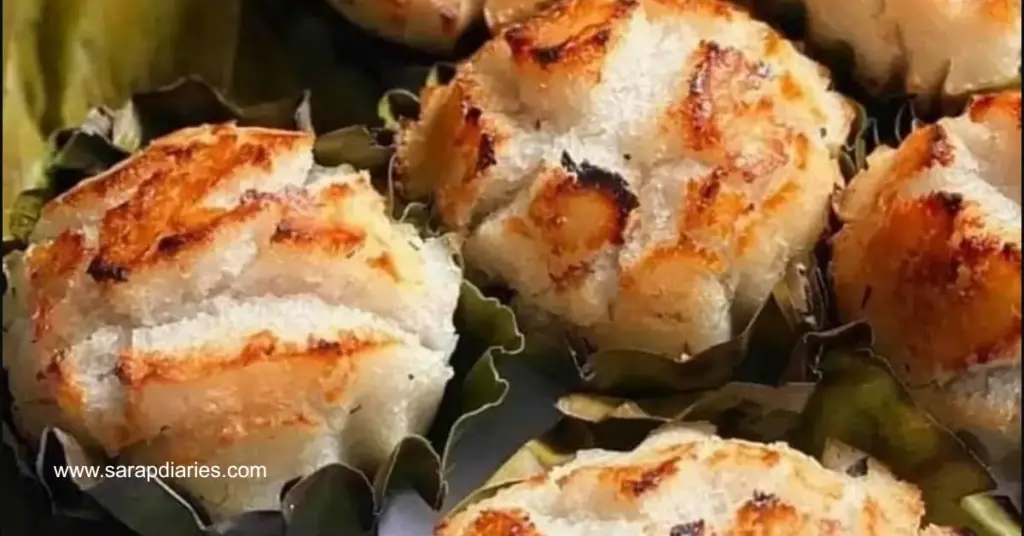
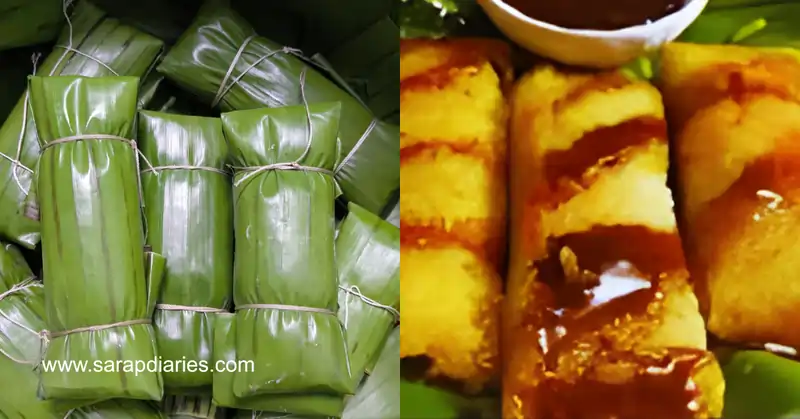
Suman sa Lihiya is a traditional Filipino rice cake made from glutinous rice soaked with lye water, then wrapped in banana leaves and boiled until tender. This kakanin is especially popular in Luzon, where it’s often sold in markets and enjoyed at home as a simple yet satisfying snack. Its mild flavor and chewy texture make it a perfect base for sweet toppings and dips.
Why Masarap?
Masarap ang Suman sa Lihiya dahil malambot at malagkit ang bigas, with a subtle flavor that pairs well with sweetness. The use of lye water helps improve the texture, making the rice smoother and more cohesive once cooked. The banana leaves add a light aroma during boiling, giving each piece that classic lutong-bahay feel. Simple lang siya, pero very comforting—lalo na kapag bagong luto.
Best Enjoyed For
Suman sa Lihiya is best enjoyed for merienda, breakfast, or as a light snack, lalo na kapag sinasawsaw sa asukal o may kasamang niyog.
Ingredients
(Makes about 18 pieces)
- 5 cups glutinous rice (malagkit)
- 3 tablespoons lye water (lihiya)
- Banana leaves (one large and one smaller per piece)
- Water
- Kitchen twine or any easy-to-remove tying material
For Serving
- Grated coconut
- White sugar (about ¼ cup)
How to Cook Suman sa Lihiya
Prepare the Rice
- Place the glutinous rice in a rice cooker and wash once.
- Add enough water to just cover the rice, then mix in the lye water.
- Cover and let the rice soak overnight at room temperature. This step helps improve the texture of the rice once cooked.
Cook the Rice
- The next day, add 1 cup of water to the soaked rice.
- Turn on the rice cooker and cook until the rice is done.
Wrap the Suman
- Prepare the banana leaves by wiping them clean. Use one large leaf and one smaller leaf per piece to prevent tearing.
- Lay the large leaf flat, then place the smaller leaf on top.
- Spoon 4–5 tablespoons of cooked rice onto the leaf, about 2 inches from the edge.
- Fold the leaf over the rice and roll tightly, then wrap again with the larger leaf and fold the sides.
- Make another roll and place two suman together with folded sides facing inward.
- Tie securely on both ends using twine.
Boil
- Arrange the wrapped suman in a large pot and cover completely with water.
- Place a heavy object on top to keep them submerged.
- Bring to a boil, then lower heat and simmer for 1 hour.
- Remove from water and place upright in a colander to drain fully.
Serving Suggestions
Suman sa Lihiya is traditionally served sliced and dipped in sugar mixed with grated coconut.
For a classic Filipino kakanin spread, it pairs well with sticky rice desserts like Biko and chewy treats such as Kutsinta.
It also complements soft rice cakes like Puto, making it perfect for merienda tables and family gatherings.
Storage Tips
- Store leftover suman wrapped in banana leaves or in an airtight container.
- Keep refrigerated and consume within 2–3 days.
- Reheat by steaming or briefly boiling before serving.
- Avoid microwaving to preserve texture.
Frequently Asked Questions
Bakit kailangang ibabad overnight?
Soaking helps soften the rice and improves its final texture.
Pwede bang bawasan ang lye water?
Stick to the recommended amount to achieve the right chewiness.
Anong sawsawan ang bagay dito?
Anong sawsawan ang bagay dito?
Mas masarap ba kinabukasan?
Yes, flavors settle nicely after resting overnight.
Is Suman sa Lihiya gluten-free?
Yes, it’s naturally gluten-free.
Want more stories beyond food?
More helpful reads:
- FeedFrenzyPlus.com offers curated news and informative articles.
- HeyPositivity.com provides motivational quotes and uplifting content.

Discover more easy and delicious recipes you’ll love. Kasama mo ang SarapDiaries.com for all things masarap.

Ava Manalo is a passionate home cook who loves exploring flavors, recreating comforting classics, and sharing easy-to-follow recipes that bring joy to every meal. As an author at Sarap Diaries, she focuses on Filipino dishes, merienda favorites, and simple cooking tips that make homemade food approachable and always delicious.
When she’s not developing recipes, Ava enjoys discovering new food spots, experimenting with global flavors, and turning everyday ingredients into heartwarming dishes for all kinds of occasions.