This post may contain affiliate links. Please read our Affiliate Disclosure for more information.
What is Inutak?
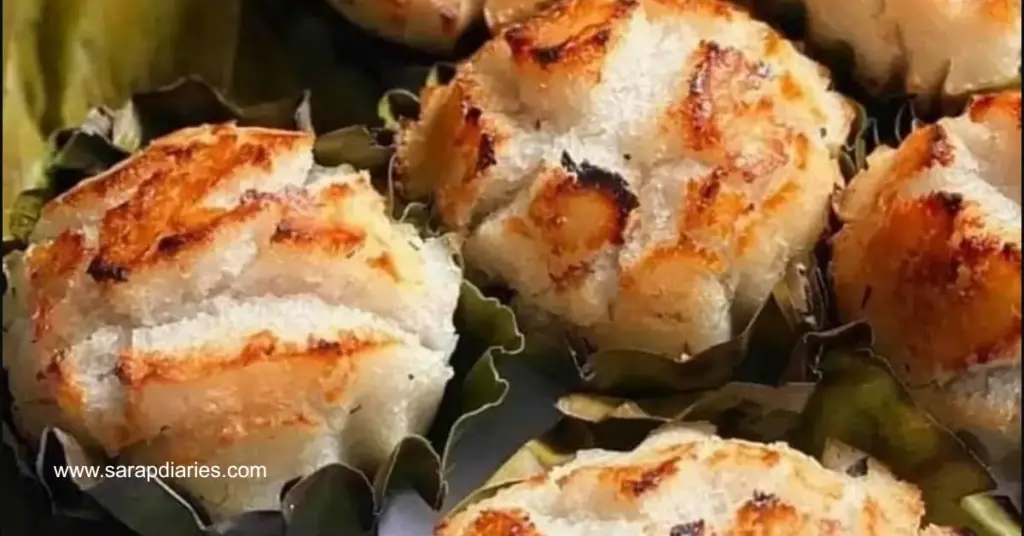
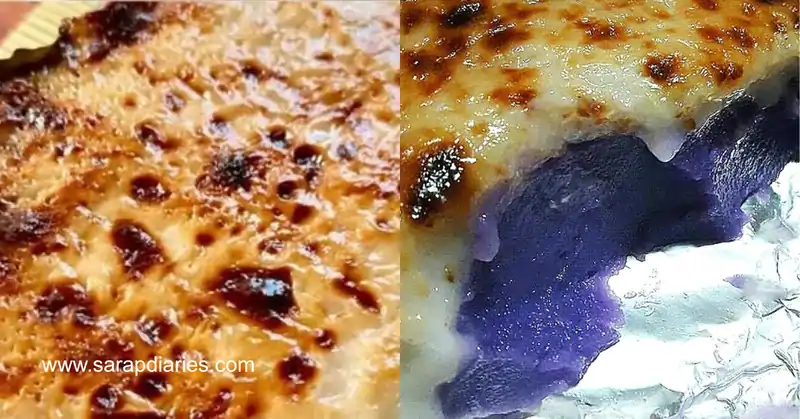
Inutak is a traditional Filipino kakanin made from glutinous rice flour cooked with coconut milk and sugar until thick and creamy, then finished with a toasted coconut topping. This version features two layers—a vibrant ube layer and a plain coconut layer—giving it a beautiful contrast in both color and flavor. Popular in Luzon, especially in Quezon Province, Inutak is often served during fiestas, family gatherings, and merienda time.
Why Masarap?
Masarap ang Inutak dahil sobrang creamy at smooth ng texture, with a gentle chew from the glutinous rice flour. The ube layer adds a nutty, earthy sweetness, while the plain coconut layer keeps the flavor balanced and not overpowering. Topped with lightly browned coconut cream, each bite has a mix of soft, rich, and slightly toasted goodness—simple pero very comforting.
Best Enjoyed For
Inutak is best enjoyed for merienda, dessert, or as a panghimagas after meals, lalo na kapag bagong luto at bahagyang mainit pa.
Ingredients
- 3 cups glutinous rice flour
- ⅓ cup purple yam (ube) powder
- 6 cups coconut milk
- 1 cup sugar
- 1 teaspoon vanilla flavor
- Natural food coloring (purple, optional)
- Pinch of salt
Note: This recipe tastes even better when using fresh ube or ube jam instead of ube powder.
How to Cook Inutak
Prepare the Batter
- In a large bowl, combine glutinous rice flour, sugar, and coconut milk. Mix until smooth and lump-free.
- Add vanilla and a pinch of salt, then divide the mixture evenly into two portions.
- Mix the ube powder into one portion. Add a small amount of purple food coloring if desired, stirring until evenly blended.
Cook the Layers
- Lightly grease a llanera or round pan with butter.
- Pour the ube mixture into a non-stick pan. Cook over medium heat, stirring continuously until thick, smooth, and slightly oily.
- Transfer the cooked ube mixture into the prepared pan and flatten using an oiled metal spoon.
- Cook the plain (white) mixture the same way until smooth and glossy.
- Gently spread the white layer on top of the ube layer. Press lightly to even out the surface.
Finish with Topping
- Pour coconut cream evenly over the top layer.
- Broil at 260°C (500°F) until the surface turns lightly golden.
If no oven is available, cover the pan with a metal sheet and place live charcoal on top to toast the surface evenly.
Serving Suggestions
Inutak is best sliced into squares and served on its own with coffee or tsokolate.
For a classic Filipino kakanin spread, it pairs well with sticky rice desserts like Biko and chewy rice cakes such as Kutsinta.
It also complements creamy cassava-based sweets like Cassava Cake, giving variety in texture and flavor.
Storage Tips
- Store leftovers in an airtight container.
- Keep refrigerated and consume within 2–3 days.
- Reheat gently using a steamer or low microwave setting.
- Avoid freezing to maintain the creamy texture.
Frequently Asked Questions
Can I use fresh ube instead of powder?
Can I use fresh ube instead of powder?
Why does the mixture need constant stirring?
Why does the mixture need constant stirring?
Pwede bang walang food coloring?
Pwede bang walang food coloring?
Can I make this less sweet?
Can I make this less sweet?
Is Inutak gluten-free?
Yes, it’s naturally gluten-free since it uses glutinous rice flour.
Want more stories beyond food?
More helpful reads:
- FeedFrenzyPlus.com offers curated news and informative articles.
- HeyPositivity.com provides motivational quotes and uplifting content.

Discover more easy and delicious recipes you’ll love. Kasama mo ang SarapDiaries.com for all things masarap.

Ava Manalo is a passionate home cook who loves exploring flavors, recreating comforting classics, and sharing easy-to-follow recipes that bring joy to every meal. As an author at Sarap Diaries, she focuses on Filipino dishes, merienda favorites, and simple cooking tips that make homemade food approachable and always delicious.
When she’s not developing recipes, Ava enjoys discovering new food spots, experimenting with global flavors, and turning everyday ingredients into heartwarming dishes for all kinds of occasions.