This post may contain affiliate links. Please read our Affiliate Disclosure for more information.
What is Ginataang Kalabasa at Sitaw?
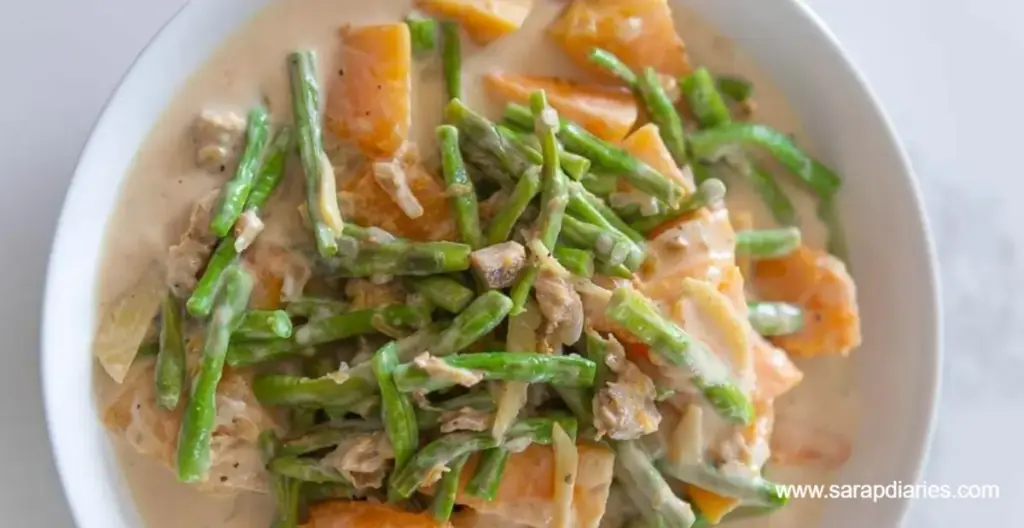
Ginataang Kalabasa at Sitaw is a classic Filipino vegetable dish where kalabasa and sitaw are slowly cooked in creamy coconut milk until tender and flavorful. This type of ginataang gulay is commonly served as a daily ulam, especially in homes that enjoy simple yet satisfying meals. With the addition of pork, aromatics, and rich gata, the dish becomes comforting without being heavy—sakto sa pang-araw-araw.
Why Masarap?
The appeal of Ginataang Kalabasa at Sitaw comes from its natural balance. The kalabasa adds a subtle sweetness, the sitaw brings texture, and the coconut milk ties everything together with its creamy richness. Ginger gives a gentle warmth that cuts through the gata, while the pork adds depth and savoriness. Every spoonful feels homey, malinamnam, at swak sa kanin.
Best Enjoyed For
This dish is best enjoyed for lunch or dinner, especially when paired with rice and a contrasting side dish. Ginataang Kalabasa at Sitaw also works well alongside other vegetable-based Filipino favorites like Pinakbet for a complete gulay-centered meal.
Ingredients
- 1 1/2 lbs squash (kalabasa), cubed
- 18 pieces string beans (sitaw), cut into serving lengths
- 3 ounces pork, sliced into small pieces
- 4 cups coconut milk
- 1 piece onion, chopped
- 5 cloves garlic, crushed
- 2 thumbs ginger, sliced into thin strips
- 1 piece Knorr Pork Cube
- 1 tablespoon cooking oil
- 1/4 teaspoon ground black pepper
- Fish sauce, to taste
How to Cook Ginataang Kalabasa at Sitaw
- Heat the cooking oil in a pan over medium heat.
- Add the pork and cook until lightly browned and slightly crisp.
- Sauté the garlic, onion, and ginger until aromatic and the onion softens.
- Pour in the coconut milk and stir gently. Cover and bring to a boil.
- Once boiling, lower the heat and let the coconut milk simmer for about 5 minutes.
- Add the Knorr Pork Cube and kalabasa, then cook until the squash starts to soften.
- Add the sitaw and continue simmering until the vegetables are tender but still intact.
- Season with ground black pepper and fish sauce to taste.
- Remove from heat and transfer to a serving dish.
Serving Suggestions
Ginataang Kalabasa at Sitaw is best served with freshly cooked rice and a crispy or savory side dish for contrast. It pairs especially well with Lumpiang Shanghai, which adds crunch and richness to the meal. For those who enjoy more gulay-based ulam, this dish also complements lighter coconut-based recipes like Ginataang Gulay Simple.
Storage Tips
- Store leftovers in an airtight container.
- Keep refrigerated and consume within 2–3 days.
- Reheat gently over low heat to prevent the coconut milk from separating.
Frequently Asked Questions
Can other vegetables be used instead of sitaw?
Yes. Baguio beans or similar long green beans work well as substitutes.
Is pork required in this recipe?
No. Pork is optional and can be replaced with chicken, fried tofu, or dried fish for a different flavor profile.
What coconut milk works best?
Fresh coconut milk offers the richest taste, but canned or powdered coconut milk can also be used with good results.
Can this dish be cooked ahead of time?
Yes. Ginataang Kalabasa at Sitaw tastes even better after resting, making it ideal for meal prep.
A Reliable Gulay Ulam for Everyday Filipino Meals
Ginataang Kalabasa at Sitaw remains a staple in Filipino kitchens because it’s affordable, easy to prepare, and deeply comforting. Whether served as a main ulam or paired with other dishes, it delivers the kind of home-cooked satisfaction that fits perfectly into everyday lunches and dinners.
Want more stories beyond food?
More helpful reads:
- FeedFrenzyPlus.com offers curated news and informative articles.
- HeyPositivity.com provides motivational quotes and uplifting content.

Discover more easy and delicious recipes you’ll love. Kasama mo ang SarapDiaries.com for all things masarap.

GV Mendez is a passionate food lover who delights in cooking, exploring, and experimenting with flavors. She brings a creative touch to every recipe, sharing her culinary ideas and insights with fellow food enthusiasts. As an author at Sarap Diaries, she inspires readers by turning each dish into a memorable and flavorful experience.