This post may contain affiliate links. Please read our Affiliate Disclosure for more information.
What is Lumpiang Shanghai?
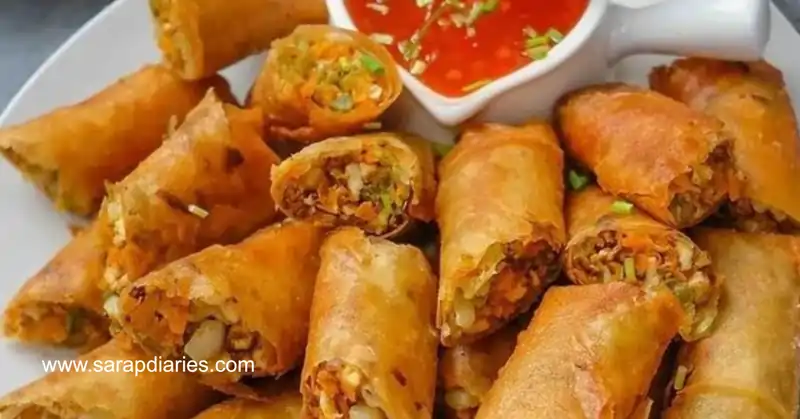
Lumpiang Shanghai is a popular Filipino spring roll madeI made with seasoned ground pork, vegetables, and thin lumpia wrappers, then fried until golden and crisp. Despite the name, it’s a Filipino creation commonly served during birthdays, fiestas, holidays, and even simple family meals. Small, crunchy, and packed with flavor, it’s one of the most recognizable Filipino finger foods.
Why Masarap?
Masarap ang Lumpiang Shanghai dahil sa contrast ng textures—super crispy sa labas at juicy sa loob. The combination of pork, garlic, onion, and carrots creates a savory filling that’s flavorful but not heavy. Each roll is bite-sized, making it easy to enjoy kahit ilan pa ang makain. Kapag bagong luto, talagang ubos agad sa mesa.
Best Enjoyed For
Lumpiang Shanghai is best enjoyed for merienda, lunch, dinner, or as a handaan at party favorite. It also works well as pulutan or baon.
Ingredients
For the Lumpia
- 1 pack fresh or frozen lumpia wrappers (11–12 oz), thawed if frozen
- 1 small yellow onion, finely chopped (about ¾ cup)
- 2 scallions, finely chopped (about ¼ cup)
- 1 large carrot, grated (about ¾ cup)
- 3 cloves garlic, finely grated
- 1 large egg, separated
- 3–4 teaspoons kosher salt
- ½ teaspoon ground black pepper
- 1½ pounds ground pork
- Canola oil, for frying
For Dipping (Optional)
- Banana ketchup
- Sweet chili sauce
- Vinegar and soy sauce
How to Cook Lumpiang Shanghai
- In a large bowl, combine onion, scallions, carrot, garlic, egg yolk, salt, and pepper.
- Add ground pork and mix thoroughly until well combined.
- Separate lumpia wrappers and keep them covered with a damp cloth to prevent drying.
- Place one wrapper in a diamond shape. Spoon about 1½ tablespoons of filling near the bottom edge and shape into a small log.
- Fold the bottom edge over the filling, fold in the sides, then roll tightly upward.
- Dab a little egg white on the edge to seal the roll.
- Repeat until all filling is used.
- Heat oil over medium heat. Fry lumpia in batches until golden brown, about 2½–3 minutes per side.
- Drain on paper towels and let cool slightly before serving.
Sweet and Sour Lumpia Dipping Sauce (Optional)
Ingredients
- ½ cup water
- ½ cup sugar
- ¼ cup apple cider vinegar
- 1 tablespoon cornstarch
- 1 tablespoon ketchup
- 1 garlic clove, minced
- ¼ teaspoon crushed red pepper flakes
How to Make
- Combine all ingredients in a saucepan and mix until smooth.
- Cook over medium heat, stirring constantly, until the sauce thickens.
- Let cool before serving.
Serving Suggestions
Lumpiang Shanghai is best served fresh and crispy with dipping sauces on the side.
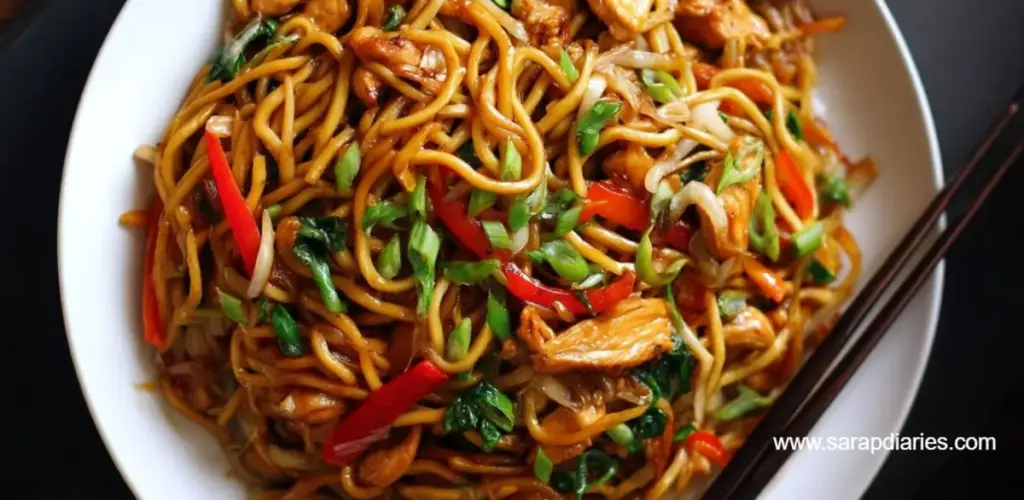
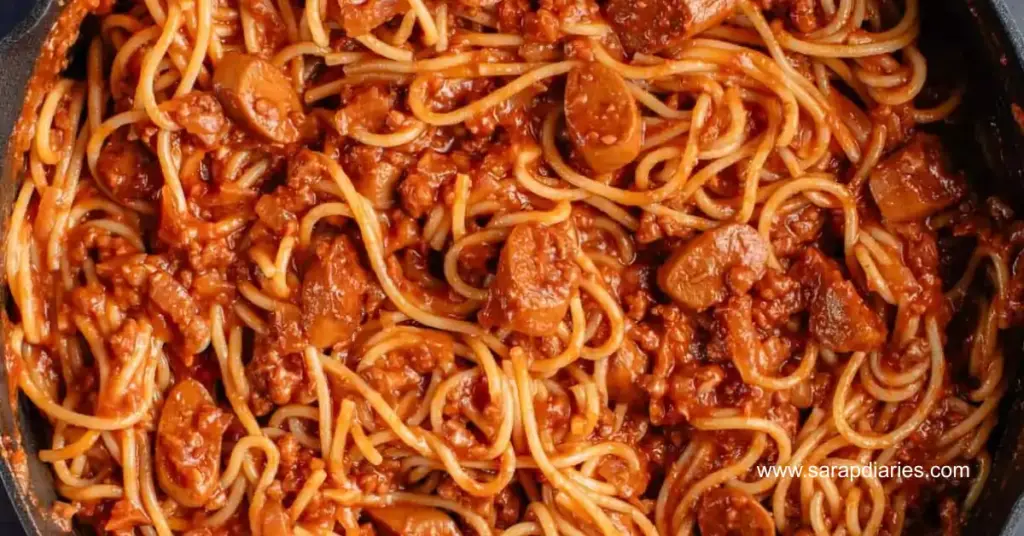
For a classic Filipino spread, serve it with Pancit Canton or Filipino Spaghetti.
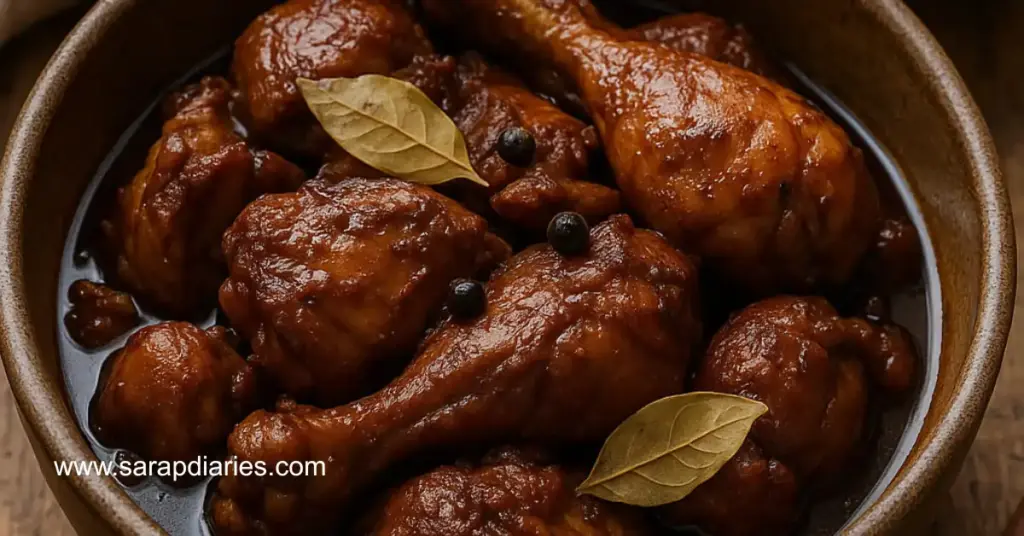
It also pairs well with hearty ulam like Chicken Adobo or Menudo for handaan-style meals.
Storage Tips
- Uncooked lumpia can be frozen for up to 2 months in an airtight container.
- Cooked lumpia can be refrigerated and consumed within 2–3 days.
- Reheat using an air fryer or pan for best crispiness.
- Avoid microwaving, as it softens the wrapper.
Frequently Asked Questions
Pwede bang i-freeze ang lumpia bago iprito?
Yes, freeze uncooked rolls and fry directly from frozen.
Pwede bang chicken o beef ang gamitin?
Yes, ground chicken or beef works as a substitute.
Paano hindi pumutok ang lumpia?
Seal properly and avoid overheating the oil.
Pwede bang i-air fry?
Yes, brush lightly with oil and air fry until golden.
Mas masarap ba fresh?
Yes, Lumpiang Shanghai is best enjoyed freshly fried.
Want more stories beyond food?
More helpful reads:
- FeedFrenzyPlus.com offers curated news and informative articles.
- HeyPositivity.com provides motivational quotes and uplifting content.

Discover more easy and delicious recipes you’ll love. Kasama mo ang SarapDiaries.com for all things masarap.

Ava Manalo is a passionate home cook who loves exploring flavors, recreating comforting classics, and sharing easy-to-follow recipes that bring joy to every meal. As an author at Sarap Diaries, she focuses on Filipino dishes, merienda favorites, and simple cooking tips that make homemade food approachable and always delicious.
When she’s not developing recipes, Ava enjoys discovering new food spots, experimenting with global flavors, and turning everyday ingredients into heartwarming dishes for all kinds of occasions.