This post may contain affiliate links. Please read our Affiliate Disclosure for more information.
What is Pancit Habhab?
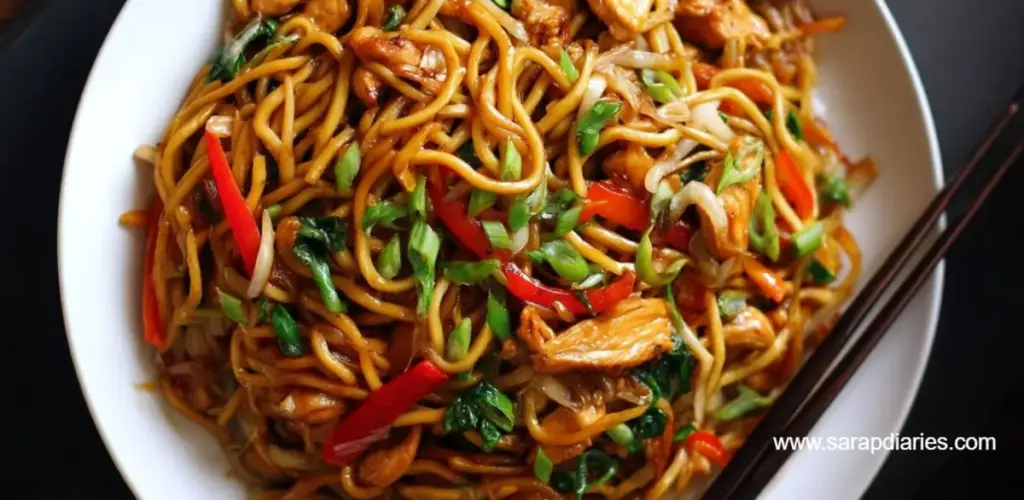
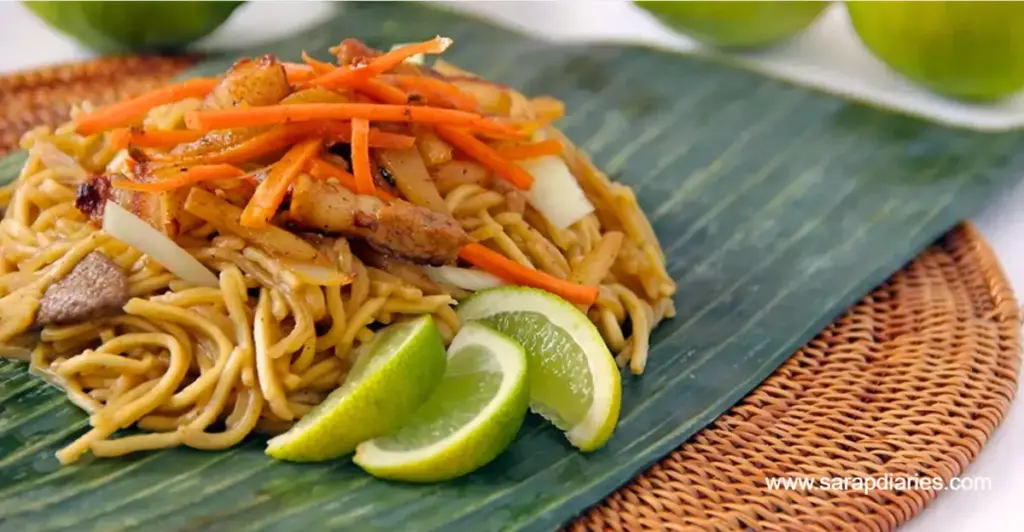
Pancit habhab is a famous noodle dish from Lucban, Quezon, traditionally served on banana leaves and eaten without forks or spoons. It uses fresh miki Lucban noodles cooked in a savory broth with pork, shrimp, and vegetables, then finished with a drizzle of vinegar. Simple ang itsura, pero punô ng karakter at lutong-bahay na sarap.
Why Masarap?
What makes this Pancit Habhab dish special is how the noodles absorb the rich, umami-packed sauce. The combination of soy sauce, oyster sauce, and broth creates a deep, comforting flavor, habang ang halo ng pork, shrimp, at gulay nagbibigay ng texture sa bawat kagat. The light splash of vinegar at the end balances everything—nakakagana at hindi nakakaumay.
Best Enjoyed For
Pancit Habhab is best enjoyed for lunch or merienda, lalo na kapag gusto ng mabilis pero satisfying na meal. Busog without feeling heavy.
Ingredients
- 8 oz miki Lucban noodles
- 4 oz pork belly, thinly sliced
- 4 oz shrimp, peeled and deveined
- 1 small chayote, thinly sliced
- 1 small carrot, julienned
- 6 pieces snow peas
- 2 cups cabbage, chopped
- 5 cloves garlic, minced
- 1 piece onion, sliced
- 3 tbsp soy sauce
- 2 tbsp oyster sauce
- 1/4 tsp ground black pepper
- 1.5 cups beef broth
- 3 tbsp cooking oil
- Vinegar, for serving
How to Cook Pancit Habhab
- Heat oil in a wok or large skillet over medium heat. Add pork belly and cook until lightly browned and rendered.
- Add shrimp and cook briefly until pink. Remove both from the pan and set aside.
- In the same pan, sauté garlic until fragrant, then add onions and cook until soft.
- Pour in soy sauce and oyster sauce, stirring well and letting the mixture simmer briefly to deepen the flavor.
- Add chayote, carrot, snow peas, and cabbage. Toss until vegetables are coated with sauce.
- Pour in beef broth and bring to a gentle boil.
- Add the miki noodles and gently toss, allowing them to soak up the liquid and soften evenly.
- Return the pork and shrimp to the pan. Season with ground black pepper and adjust seasoning if needed.
- Toss everything together until heated through, then remove from heat.
Serving Suggestions
For a truly authentic Lucban-style experience, serve the noodles piping hot on banana leaves and drizzle with vinegar just before eating to wake up the flavors. This dish is a great choice for those who enjoy Filipino noodle favorites like Pancit Canton or Pancit Bihon Guisado but want something more relaxed and street-style. For added texture and contrast, pair it with crispy Lumpiang Shanghai on the side.
Storage Tips
- Reheat quickly over medium heat on the stove to preserve the noodle texture and prevent sogginess.
- Place leftovers in a clean, airtight container.
- Keep refrigerated and consume within 2–3 days for best quality.
Frequently Asked Questions
Can this dish be cooked ahead of time?
It’s best enjoyed fresh, but it may be cooked a few hours ahead and reheated gently before serving.
What makes this Lucban-style noodle dish different from other pancit?
It uses miki Lucban noodles and is traditionally served on banana leaves with vinegar, giving it a distinct aroma and eating experience.
Can the pork or shrimp be replaced?
Yes. Chicken, seafood-only, or vegetable-only versions work well while keeping the cooking method the same.
Is this suitable for merienda or only for lunch?
It works for both. The dish is filling enough for lunch but light enough for merienda.
Why is vinegar added at the end instead of during cooking?
Adding vinegar just before eating keeps the flavors balanced and prevents the noodles from becoming too sour.
Want more stories beyond food?
More helpful reads:
- FeedFrenzyPlus.com offers curated news and informative articles.
- HeyPositivity.com provides motivational quotes and uplifting content.

Discover more easy and delicious recipes you’ll love. Kasama mo ang SarapDiaries.com for all things masarap.

GV Mendez is a passionate food lover who delights in cooking, exploring, and experimenting with flavors. She brings a creative touch to every recipe, sharing her culinary ideas and insights with fellow food enthusiasts. As an author at Sarap Diaries, she inspires readers by turning each dish into a memorable and flavorful experience.