This post may contain affiliate links. Please read our Affiliate Disclosure for more information.
What is Puto?
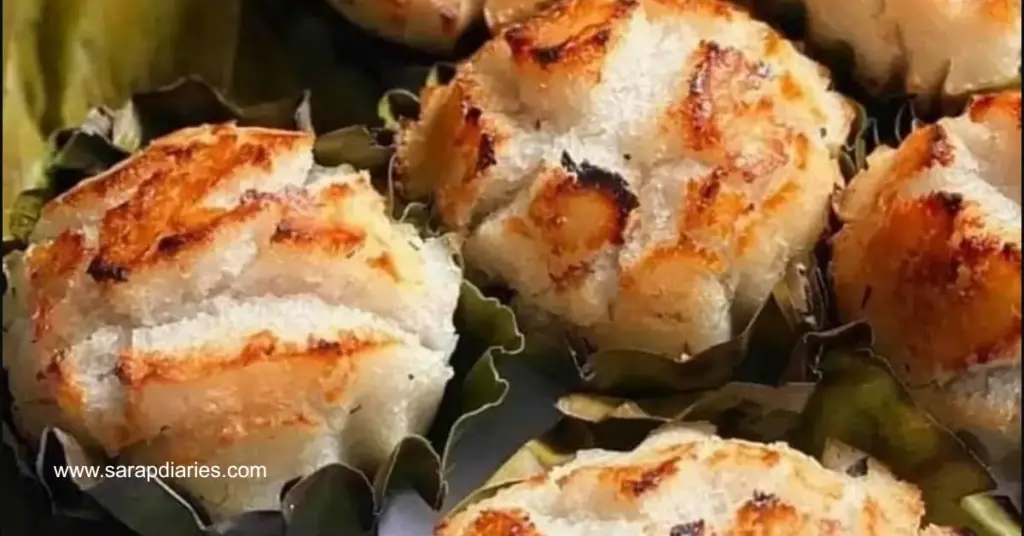
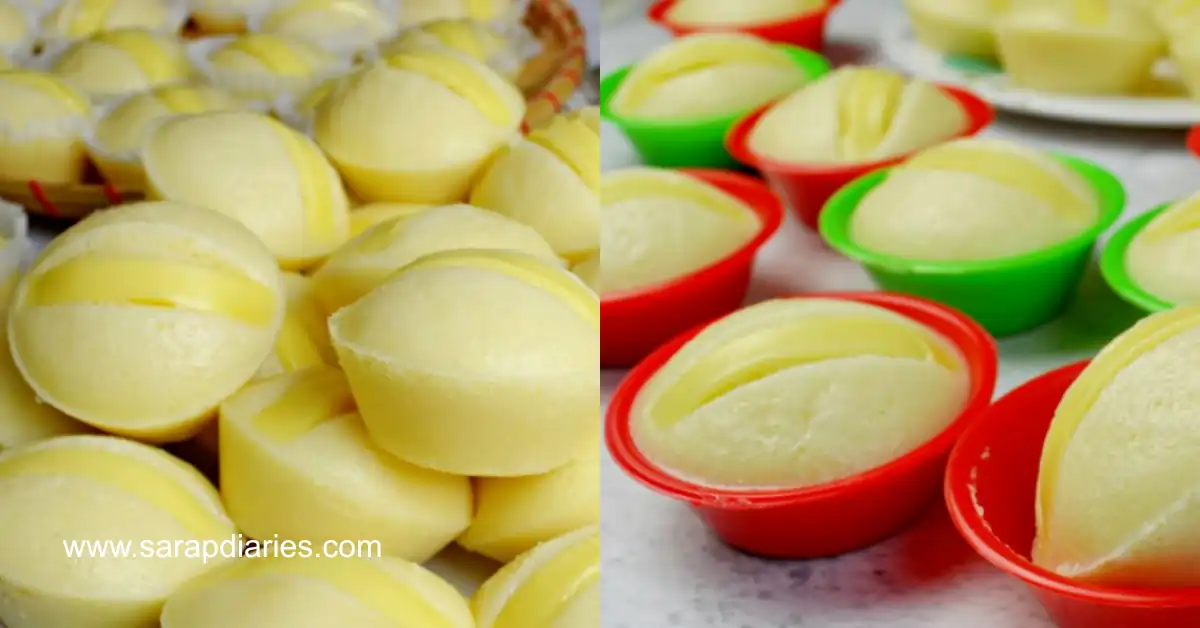
Puto is a classic Filipino steamed rice cake known for its soft, airy texture and mildly sweet flavor. Made primarily from rice flour, this beloved kakanin is commonly served during merienda, breakfast, or as a side dish to savory Filipino meals. Puto holds a special place in Filipino food culture because it’s simple, comforting, and widely enjoyed—from everyday snacks at home to handaan and celebrations. Its light texture makes it easy to pair with both sweet and savory dishes, which is why it remains a staple across generations.
Why Masarap
Masarap ang Puto dahil malambot, fluffy, at sakto lang ang tamis. Hindi siya nakakaumay, kaya madaling ubusin kahit ilang piraso. Freshly steamed puto has a gentle aroma and tender crumb that melts in the mouth. The mild sweetness allows it to complement rich and savory dishes, while cheese-topped versions add a satisfying salty contrast. It’s one of those pagkain na simple pero may nostalgic charm, parang lutong-bahay na laging nagbibigay ng comfort.
Best Eaten For
Puto is best eaten for merienda, breakfast, or as a light snack any time of the day. It’s especially enjoyable when served warm, straight from the steamer, paired with coffee, tsokolate, or savory ulam.
Ingredients
- 1½ cups (180 g) rice flour
- ½ cup (60 g) glutinous rice flour (or substitute with rice flour)
- 1½ tbsp baking powder
- ½ cup sugar
- ½ tsp salt
- 1 can (13.5 oz) coconut milk
- 3–4 slices American cheese or similar salty yellow cheese (optional)
How to Cook
- In a large bowl, whisk together rice flour, glutinous rice flour, baking powder, sugar, and salt.
- Gradually add coconut milk and mix until smooth and lump-free.
- Bring water in your steamer to a boil.
- Fill cupcake or puto molds halfway to allow room for rising.
- Arrange molds in the steamer and steam for 35–45 minutes, or until a toothpick inserted comes out clean.
- (Optional) Top with cheese slices immediately after steaming so they melt slightly.
- Remove from molds and serve warm.
Cooking Tips
- Combining rice flour and glutinous rice flour creates a softer, bouncier puto.
- Using only rice flour will result in a drier, crumbly texture.
- Steaming time varies depending on mold size—smaller puto cook faster.
- Some recipes claim shorter steaming times, but longer steaming ensures a fully cooked center.
Puto Topping Guide – Classic to Creative Choices
One of the reasons puto stays popular is how easy it is to dress up. From simple everyday toppings to festive upgrades, these options let home cooks customize puto based on taste, occasion, and budget.
Classic Toppings
These are timeless choices often found in traditional Filipino kitchens:
- Grated Cheese – The most common topping, adding a salty contrast to the mild sweetness.
- Salted Egg (Itlog na Pula) – Sliced thin and placed on top for a richer, savory bite.
- Butter – Brushed lightly after steaming for extra aroma and softness.
Sweet Toppings
Perfect for merienda tables and dessert-style puto:
- Ube Halaya – Adds color and a nutty sweetness that feels festive.
- Coconut Jam (Matamis na Bao) – Great for those who love classic coconut flavors.
- Condensed Milk Drizzle – Light drizzle for extra sweetness without overpowering.
Cheese Lover’s Picks
For those who enjoy bold, savory flavors:
- Cheddar Cheese – Sharp and flavorful, melts beautifully when steamed.
- Quick-Melt Cheese – Ideal for a creamy, kid-friendly topping.
- Cheese Overload Mix – Combination of two or more cheeses for extra indulgence.
Modern & Creative Toppings
These give puto a fresh, updated twist:
- Cream Cheese – Adds slight tang and smooth texture.
- Toasted Coconut Flakes – Adds aroma and light crunch.
- Spring Onion + Cheese – A savory-sweet balance inspired by modern kakanin stalls.
Topping Tips for Best Results
- Add cheese and salted egg before steaming so they set nicely.
- Add butter, jams, or spreads after steaming to avoid melting too much.
- Keep toppings light—puto should stay soft and airy, not heavy.
With the right topping, puto can shift from simple everyday merienda to a standout handaan favorite—proof that small touches make a big difference.
Puto Variations to Try
Puto is easy to customize, making it a favorite kakanin for both everyday merienda and special occasions. These variations add flavor and visual appeal while keeping the same soft, fluffy texture.
- Ube Puto
Adding ube halaya or ube extract gives the rice cake a nutty sweetness and a vibrant purple color. This version is popular during celebrations and pairs well with savory dishes. - Pandan Puto
Pandan extract adds a light green hue and a fragrant aroma. The flavor is subtle and refreshing, perfect for those who enjoy mildly sweet kakanin. - Cheese Overload Puto
Extra grated cheese on top—and even mixed into the batter—creates a richer, savory version. This is a favorite among kids and cheese lovers, especially when served warm.
These variations keep puto exciting while staying true to its comforting Filipino identity.
Serving Suggestions
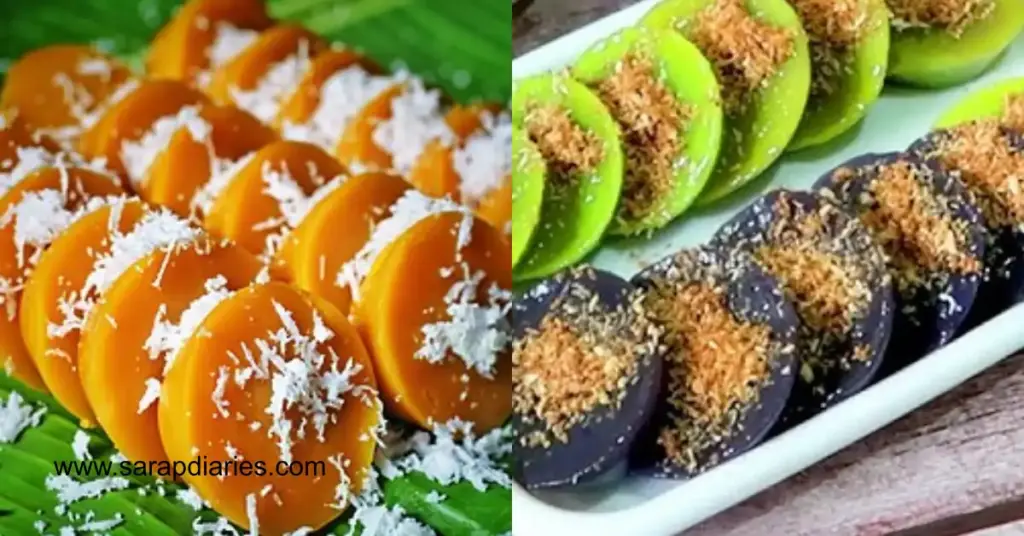
Puto is incredibly versatile and pairs well with many Filipino dishes. It’s famously served with Dinuguan, where its mild sweetness balances the rich, savory sauce. For a traditional kakanin spread, it goes perfectly with Kutsinta and other rice-based snacks.
It’s also a great addition to breakfast tables or merienda platters during gatherings, especially when served alongside warm drinks.
Storage Tips
- Store puto in an airtight container at room temperature if consuming within the day.
- Refrigerate if keeping longer than 24 hours.
- Reheat by steaming briefly to restore softness and moisture.
Frequently Asked Questions
Is puto gluten-free?
Yes, when made with rice flour, it’s naturally gluten-free.
Why does puto sometimes turn dense?
Overmixing the batter or using expired baking powder can affect texture.
Can I make puto without molds?
Yes, small heat-safe cups or silicone molds work well.
Can I freeze puto?
Freezing is not recommended, as it may affect texture after thawing.
Is puto better fresh?
Yes, it’s best enjoyed freshly steamed, but reheating helps bring back softness.
Want more stories beyond food?
More helpful reads:
- FeedFrenzyPlus.com offers curated news and informative articles.
- HeyPositivity.com provides motivational quotes and uplifting content.

Discover more easy and delicious recipes you’ll love. Kasama mo ang SarapDiaries.com for all things masarap.

Ava Manalo is a passionate home cook who loves exploring flavors, recreating comforting classics, and sharing easy-to-follow recipes that bring joy to every meal. As an author at Sarap Diaries, she focuses on Filipino dishes, merienda favorites, and simple cooking tips that make homemade food approachable and always delicious.
When she’s not developing recipes, Ava enjoys discovering new food spots, experimenting with global flavors, and turning everyday ingredients into heartwarming dishes for all kinds of occasions.