This post may contain affiliate links. Please read our Affiliate Disclosure for more information.
What is Sinigang Sa Miso?
This comforting Filipino soup is a flavorful variation of classic sinigang, made richer with fermented soybean paste. Instead of relying only on sourness, sinigang sa miso blends savory miso with tender bangus (milkfish), fresh vegetables, and a gently tangy broth. Compared to the lighter, pork-based Sinigang na Baboy, this version leans more malinamnam, thanks to the miso and fish-based sabaw.
Why Masarap?
What makes sinigang sa miso truly crave-worthy is the contrast of flavors. The miso adds depth and umami, the sinigang mix brings that familiar asim, and the lightly fried bangus holds its shape while soaking up the sabaw. Add crisp gulay like okra, sitaw, and kangkong, and every spoonful feels warm and nourishing—perfect pang-ulam lalo na kapag gusto ng sabaw na may character.
Best Enjoyed For
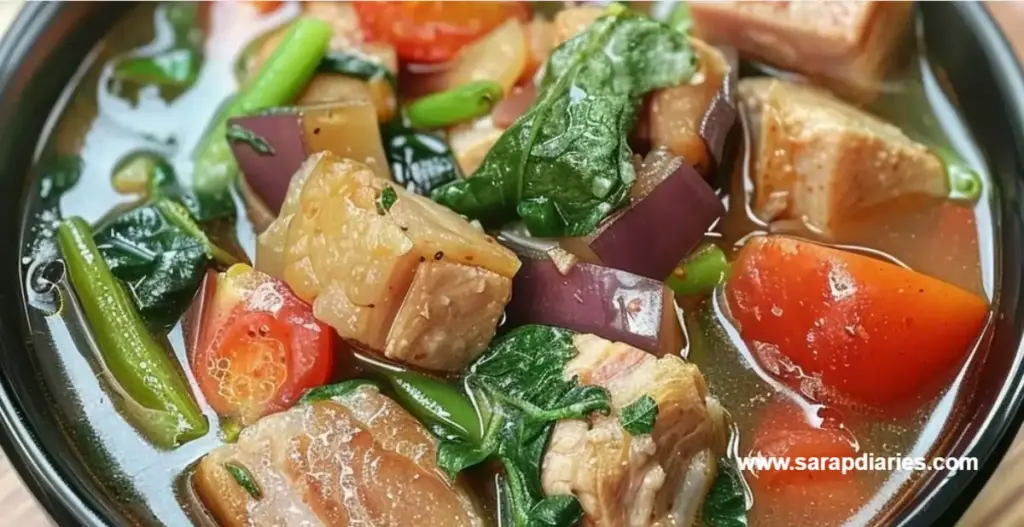
The Sinigang sa Miso is best enjoyed for lunch or dinner, especially when a comforting but not-too-heavy ulam is needed. It’s a great alternative if sawa na sa usual sinigang sa sampalok or even seafood-forward versions like Sinigang na Salmon Belly.
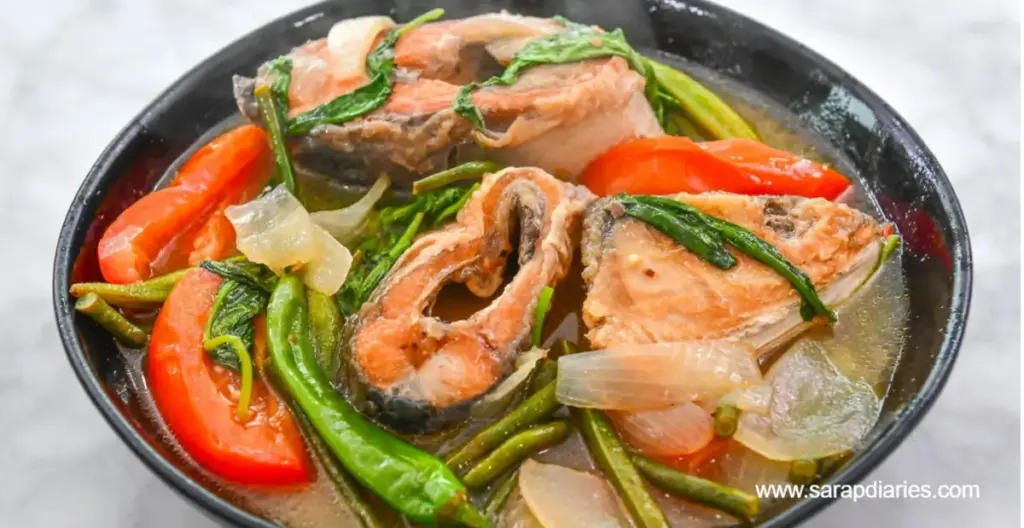
Ingredients
- 2 lbs bangus (milkfish), cleaned and sliced
- 25 g Maggi Magic Sinigang sa Sampaloc
- 1 bunch kangkong
- 12 pieces string beans, cut into 2-inch pieces
- 10 pieces okra
- 4 pieces long green pepper
- 2 pieces tomatoes, wedged
- 2 tablespoons miso
- 1 piece yellow onion, wedged
- 2 teaspoons salt
- 2 quarts water
- 3 tablespoons cooking oil
- Ground black pepper, to taste
- Fish sauce, to taste
How to Cook Sinigang sa Miso
- Season the sliced bangus with salt and let it sit for about 10 minutes to lightly cure the fish.
- Heat oil in a pot over medium heat. Pan-fry the fish briefly, around 1½ minutes per side, just until lightly golden. Set aside.
- In the same pot, sauté the onion, half of the tomatoes, and miso until aromatic and well blended.
- Return the fish to the pot and pour in the water. Bring to a boil.
- Cover, lower the heat, and let it simmer for 10 minutes so the broth develops flavor.
- Add the sinigang mix, stir gently, and cook for another 2 minutes.
- Add the long green peppers, string beans, and okra. Cover and cook for 5–7 minutes until tender.
- Season with fish sauce and ground black pepper to taste.
- Add the kangkong leaves, cover the pot, and turn off the heat. Let the greens wilt using residual heat for about 5 minutes.
- Transfer to a serving bowl and serve hot.
Serving Suggestions
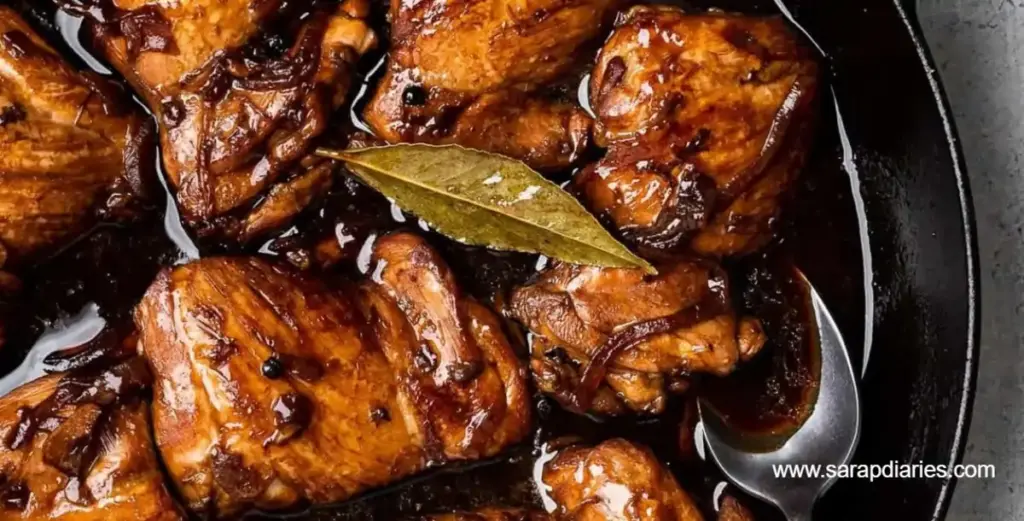
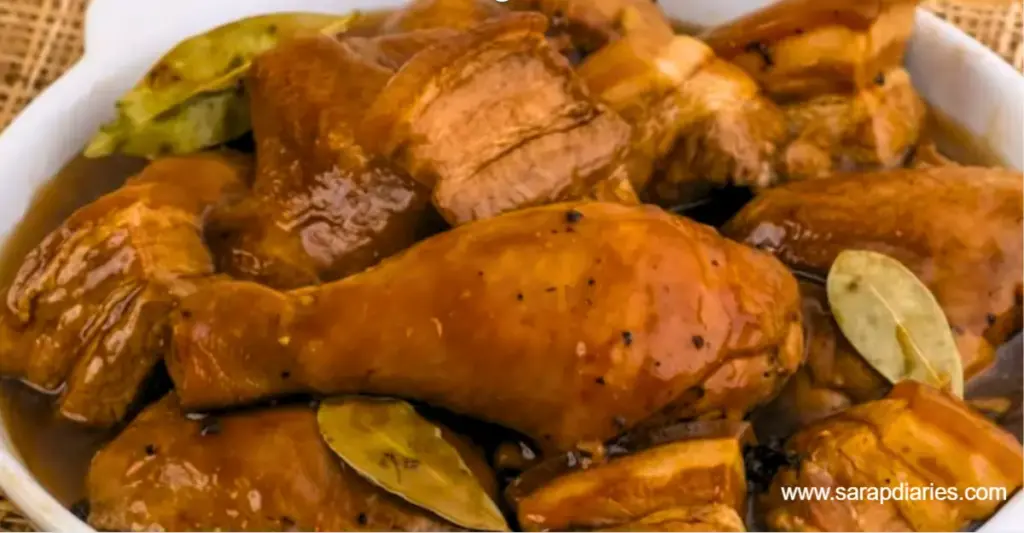
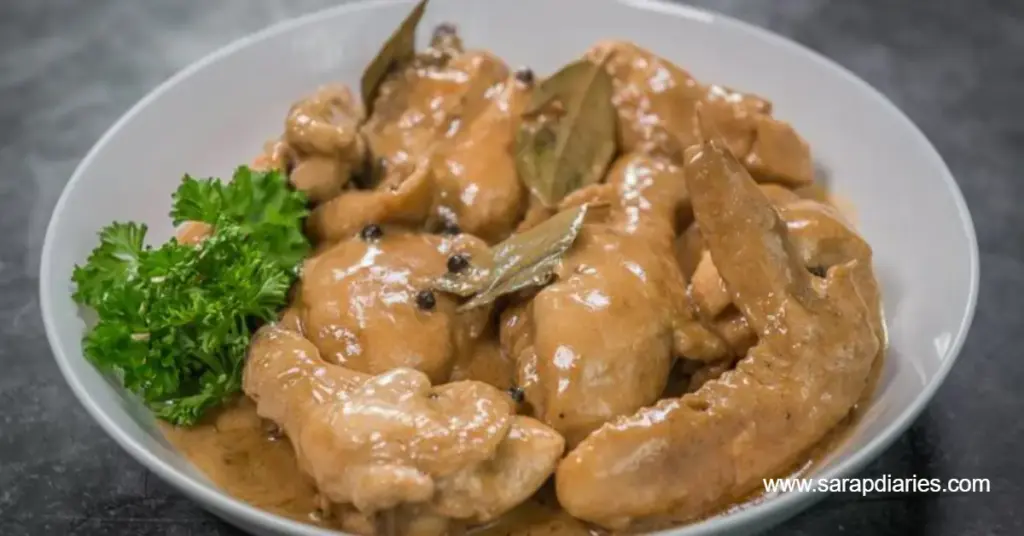
Sinigang sa Miso is best enjoyed fresh off the stove, served piping hot with a generous bowl of steamed white rice. The savory-asim broth pairs perfectly with kanin, making every spoonful extra satisfying. For a more complete and balanced Filipino meal, it goes well with a dry ulam like Chicken Adobo. The rich, slightly oily adobo helps balance the light yet malinamnam sabaw, creating a comforting contrast in both texture and flavor.
For added crunch, a simple side of fried fish or even salted egg and tomatoes can also complement the dish, especially during lunch or dinner with the family.
Storage Tips
- Let the soup cool completely before transferring to storage containers to avoid excess moisture and spoilage.
- Store in an airtight container and keep refrigerated to maintain freshness.
- Best consumed within 2–3 days, as fish-based soups are most flavorful when fresh.
- When reheating, use low to medium heat and avoid stirring too much to prevent the bangus from breaking apart.
- If possible, reheat only the portion needed to preserve texture and taste.
These simple storage tips help keep the soup comforting and flavorful, kahit kinabukasan.
Frequently Asked Questions
What type of miso is best for this dish?
White or yellow miso works best because it’s milder and complements the sour broth without overpowering it.
Can the fish be added without frying?
Yes. Frying helps the bangus hold its shape and adds flavor, but the dish can still be cooked by adding raw fish directly to the broth.
Can other vegetables be used?
Yes. Labanos or talbos ng kamote can be added depending on availability and preference.
Is this very maasim?
The miso balances the sourness. Adjust the sinigang mix or add more water if a milder taste is preferred.
Want more stories beyond food?
More helpful reads:
- FeedFrenzyPlus.com offers curated news and informative articles.
- HeyPositivity.com provides motivational quotes and uplifting content.

Discover more easy and delicious recipes you’ll love. Kasama mo ang SarapDiaries.com for all things masarap.

GV Mendez is a passionate food lover who delights in cooking, exploring, and experimenting with flavors. She brings a creative touch to every recipe, sharing her culinary ideas and insights with fellow food enthusiasts. As an author at Sarap Diaries, she inspires readers by turning each dish into a memorable and flavorful experience.